
High-density AC/DC power converters, hot-swappable telecom rectifiers, and high-voltage EV power modules engineered to rigorous international standards (ISO 9001:2015, CE, UL, TÜV).
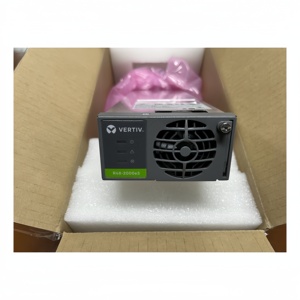
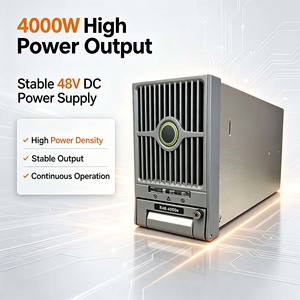
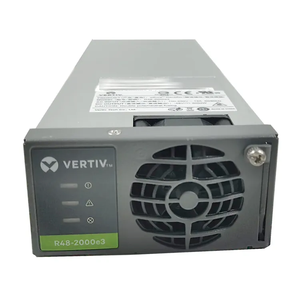
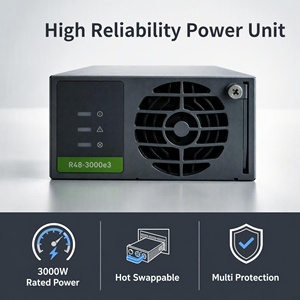
From initial schematic design to final Automated Optical Inspection (AOI), our industrial power electronics are built for environments where power failure is simply not an option.
Every charging rectifier module undergoes rigid automated testing, thermal cycling, and 100% full-load burn-in testing under audited quality management systems to guarantee operational longevities exceeding 100,000 hours MTBF.
Because our R&D and manufacturing operate under one roof, we offer rapid NRE customization for custom charge profiles, modified output voltages, conformal PCB coatings, harsh environment ruggedization, and specialized CANbus/MODBUS communications.
Our power systems carry global compliance certifications including UL, CSA, CE, RoHS, and REACH. Designed strictly to EN 62368-1, EN 61000-6-2 (Industrial Immunity), and EN 55032 Class B (EMC Emission) standards.
An in-depth analysis of high-frequency power conversion, thermal dissipation strategies, and dynamic battery management protocols for industrial, telecom, and EV infrastructure.
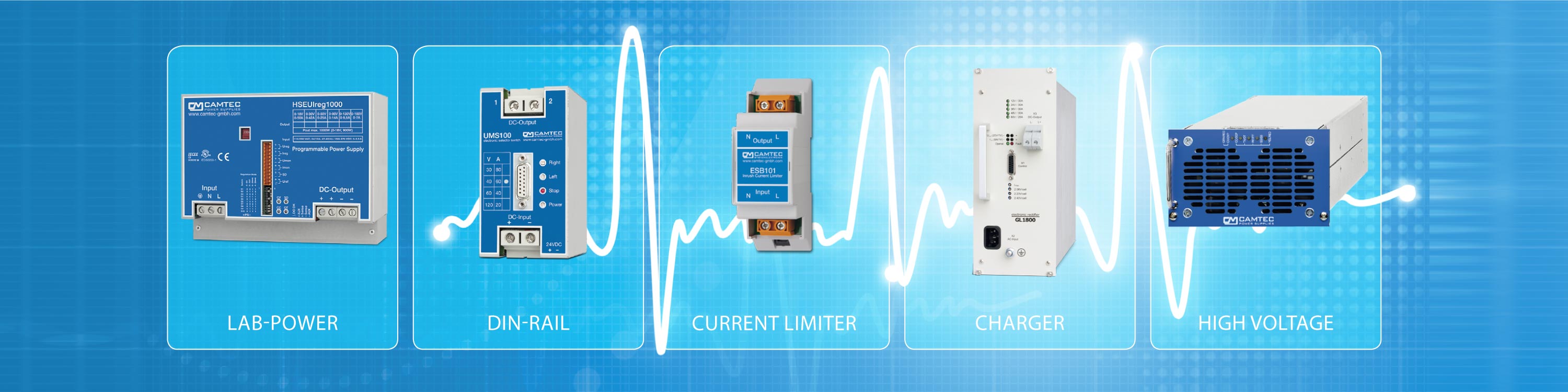
In modern industrial automation, telecommunications, and electric vehicle (EV) charging networks, the AC/DC battery charger rectifier is the critical link between the public AC grid and direct-current chemical energy storage. Designing an enterprise-grade OEM/ODM battery charger demands a deep balance between Power Factor Correction (PFC), high-frequency isolated DC/DC step-down conversion, and dynamic feedback control capable of adjusting output parameters within milliseconds.
Traditional transformer-based low-frequency rectifiers are no longer viable for modern equipment racks due to their weight, acoustic noise, and low thermal efficiency. Contemporary high-density designs leverage Interleaved Boost PFC followed by Resonant LLC Zero-Voltage Switching (ZVS) topologies. This architecture achieves peak conversion efficiencies exceeding 96.5%, dramatically reducing internal thermal dissipation while reducing overall chassis volume.
Technical Insight: By shifting switching frequencies beyond 150 kHz using Silicon Carbide (SiC) power switches, OEM battery chargers achieve power densities above 45 Watts per cubic inch while retaining low electromagnetic interference (EMI) profiles compliant with CISPR 32 / EN 55032 Class B specifications.
Industrial battery banks—ranging from Valve-Regulated Lead-Acid (VRLA) and Gel to Lithium Iron Phosphate (LiFePO4) and Nickel-Manganese-Cobalt (NMC)—require precise, temperature-compensated charging algorithms to prevent thermal runaway, dendrite formation, and premature cell capacity degradation.
During the initial charging state, the rectifier operates as a constant-current source, delivering maximum rated current into depleted battery cells. Microprocessor-controlled feedback loops measure total system impedance and continuously monitor thermal rise via digital temperature sensors connected over CANbus or NTC interfaces.
As the battery terminal voltage reaches its upper electrochemical threshold (e.g., 54.7V for a nominal 48V LiFePO4 bank), the charger seamlessly transitions into Constant Voltage mode. Current draw drops exponentially while voltage is locked to within ±0.5% precision across wide AC mains variations (90VAC – 264VAC input).
For standby backup power systems such as Telecom Base Transceiver Stations (BTS) and Data Center DC-UPS topologies, the charging rectifier maintains a precise float voltage. This counteracts self-discharge mechanisms without inducing electrolyte gassing or thermal stress.
Thermal stress remains the primary cause of component degradation in industrial switch-mode power supplies (SMPS). A core requirement for OEM/ODM battery charger exporters is ensuring reliable continuous operation in unconditioned outdoor cabinets reaching ambient temperatures of +70°C.
The table below highlights key performance metrics across our primary OEM/ODM industrial rectifier platform categories for engineering evaluation:
| Platform Category | Nominal Output DC | Peak Power Rating | Efficiency Profile | Cooling Architecture | Target Application |
|---|---|---|---|---|---|
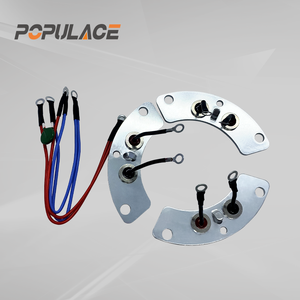
| Electroplating Diode Rectifier | 12V / 24V / 220V DC | 1kW – 15kW | 91% – 93% | Heavy-Duty Heatsink / Forced Air | Industrial Plating, Electrolysis, Anodizing |
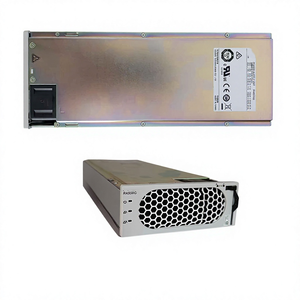
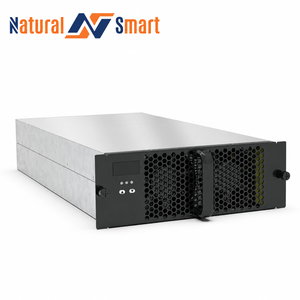
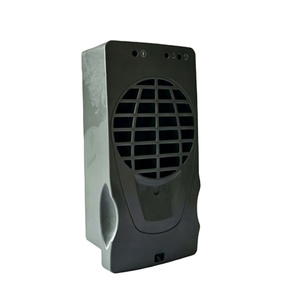
| Telecom Hot-Swap Module | 48V / 53.5V DC | 2kW – 4kW (Parallelable) | 95.5% – 96.8% | Speed-Controlled Internal Fan | 5G Base Stations, Telecom Cabinets, FTTH |
| EV Ultra-Fast Charger Module | 150V – 1000V DC Wide Range | 20kW / 30kW / 40kW | 96.5% Peak | Isolated Air Duct Cooling | Public EV Fast Chargers, Fleet Depots |
| Industrial DC-UPS Buffer Unit | 24V / 48V DC | 480W – 105kW System | 94% – 95% | Convection / Natural Cooling | PLC Panels, Substation Control, Rail Signals |
As power distribution transitions toward smart grids, decentralized renewable energy, and micro-grid storage, OEM/ODM battery chargers are evolving rapidly.
The adoption of Gallium Nitride (GaN) and Silicon Carbide (SiC) MOSFETs allows switching speeds 5x faster than traditional silicon. This enables dramatic reduction in magnetics footprint, lower operating temperatures, and higher power densities for 19-inch rack-mount charging units.
Future OEM battery chargers are no longer unidirectional sinks. Modern designs incorporate bi-directional active front-end (AFE) topologies, allowing battery banks in data centers and EV fleets to feed energy back into the local DC mini-grid during peak tariff hours.
Integrating IoT gateways directly into charging rectifiers enables real-time monitoring of thermal profiles, ripple voltage drift, and internal capacitor ESR. Predictive analytics alert facility managers before a module fails, enabling true zero-downtime maintenance cycles.
Procurement teams increasingly prioritize energy efficiency and circular economy metrics. Compliance with European EuP Eco-Design directives, RoHS lead-free solder processes, and REACH chemical standards ensures export compliance across EU, North American, and Asia-Pacific markets.

From prototype design review to high-volume manufacturing, our application engineering team collaborates directly with your system designers.
Answers to common technical, manufacturing, and sourcing inquiries from OEM equipment designers and procurement buyers.
Consult directly with our power electronics application team for technical specs, custom sample requests, and competitive volume tier pricing.