Explore our premium range of hot-swappable telecom rectifiers, high-frequency charging power modules, and electroplating bridge rectifiers engineered for continuous heavy-duty operation.
The global marine and industrial electrification sectors are undergoing an unprecedented technological shift. Modern commercial vessels, off-shore platforms, and industrial automated facilities demand highly efficient, robust, and resilient power conversion architectures. As maritime regulations enforce strict decarbonization protocols and smart ports move toward shore-side power connections (Cold Ironing), the demand for high-capacity AC/DC power supplies, switch-mode rectifiers, and DC-UPS buffer systems has surged.
When selecting a top marine power manufacturer or exporter, system integrators and procurement executives must evaluate parameters beyond mere nominal wattage. Operational environments at sea present severe challenges, including wide ambient temperature fluctuations (-40°C to +70°C), heavy mechanical vibration, salt aerosol corrosion, and dirty AC grid supplies plagued by voltage sags and surges. High-end marine power supplies feature conformally coated printed circuit boards (PCBs), heavy-duty aluminum chassis, galvanic isolation exceeding 3000VAC, and active Power Factor Correction (PFC > 0.99) to ensure uninterrupted power delivery to essential automation drives, radar systems, telemetry nodes, and emergency backup battery banks.
Technical Procurement Insight: Industrial and marine power supplies certified under international standards (CE, UL, CSA, TÜV) ensure compliance with strict electromagnetic compatibility (EMC) mandates. Selecting modules with high power density and modular hot-swap capability drastically minimizes mean time to repair (MTTR) in mission-critical marine operations.
Derived from top-tier German power electronics engineering standards and ISO 9001:2015 certified manufacturing procedures, our manufacturing facilities integrate end-to-end quality assurance protocols. Every power supply module—from DIN-rail mounted 10W sensor drivers to massive 100kW modular cabinet rectifiers—undergoes rigorous automated optical inspection (AOI), full-load dynamic burn-in testing, and thermal imaging verification prior to dispatch.
Utilizing advanced Silicon Carbide (SiC) and Gallium Nitride (GaN) switching components to achieve peak conversion efficiency up to 96.5%, significantly reducing internal heat generation and energy overhead.
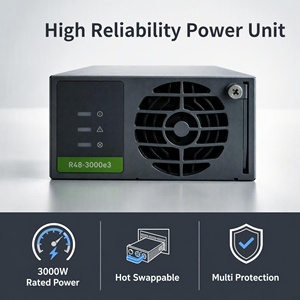
N+1 redundant hot-swappable module designs enable seamless replacement during live operation without interrupting downstream DC loads or communication networks.
Conformal coating against humidity, salt spray, and chemical aerosols ensures zero moisture penetration, backed by robust vibration resistance compliant with IEC 60068 standards.
Evaluating electrical specifications across different industrial operational profiles is paramount when procuring power conversion modules. Below is a structural comparison matrix detailing key operational metrics across our core product classes:
| Product Class | Nominal Voltage | Output Capacity | Efficiency Rating | Primary Application |
|---|---|---|---|---|
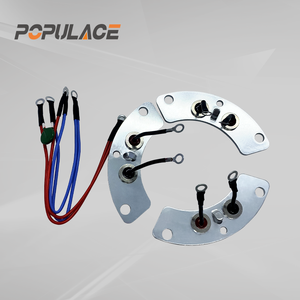
| Electroplating Rectifiers (T30) | 220VAC Input / DC Output | Custom Amperage | > 92% | Industrial Plating, Electrolysis & Galvanic Processing |
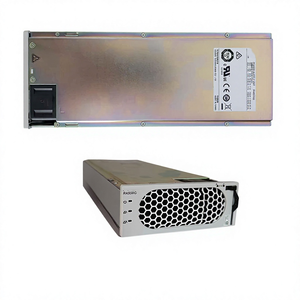
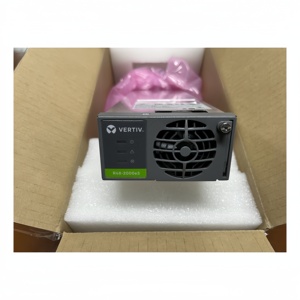
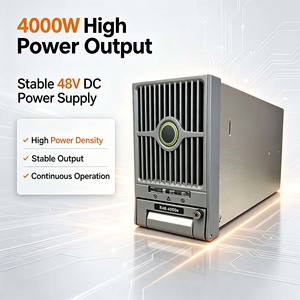
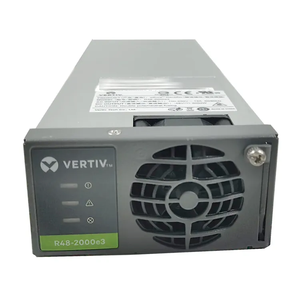
| Telecom Base Station Modules | 48VDC (43.2–58V adjustable) | 2000W to 4000W | 95.5% – 96.5% | 5G FTTH Base Stations, Marine Radar & Comm Cabinets |
| EV Charging Power Modules | 150V – 1000V DC Wide Range | 20kW / 30kW / 40kW | > 96% | Maritime Electric Ferries, Port EV Fast Chargers |
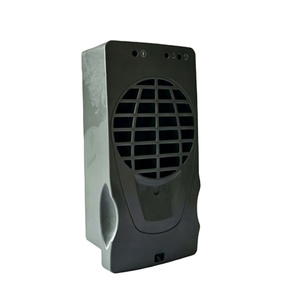
| Constant Voltage Rectifiers (APR) | 48VDC Constant Output | Heavy-Duty Continuous | > 94% | Off-shore Telemetry, Subsea Sensor Buffering |
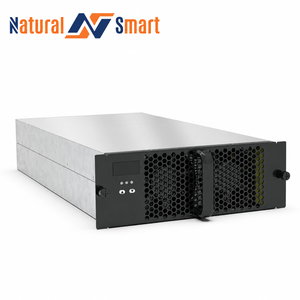
| High-Density Data Center Modules | 48VDC High Efficiency | 3000W – 4000W | 96.5% | Shipboard Data Centers, Modular Edge Server Racks |
As maritime fleet operators and industrial manufacturing hubs transition toward intelligent automation and green decarbonization, procurement strategies for power electronics are evolving rapidly. Key technological vectors shaping future procurement contracts include:
The progression of power conversion technology over the past decade has established switch-mode power supplies (SMPS) as the undisputed industry standard over traditional linear power supplies. Linear power supplies, while simple, suffer from low conversion efficiencies (typically 40%–60%) and excessive weight due to bulky 50/60Hz transformers.
By contrast, high-frequency switch-mode rectifiers operate at switching frequencies ranging from 100kHz to well over 500kHz. This high-frequency operation yields three decisive operational advantages:
Significant reduction in transformer core volume and weight allows engineers to fit high-output 4000W rectifiers inside standard 1U/2U rack dimensions, saving critical floor space inside marine control rooms.
Advanced LC filtering and soft-switching resonant topologies ensure minimal output voltage ripple (< 150mVp-p), preventing signal interference in sensitive navigational transducers and telecom backhauls.
Microprocessor-driven feedback loops respond to sudden load changes in less than 200 microseconds, maintaining strict voltage stability even under severe pulsed-load conditions.
For marine and off-shore installations, verify compliance with DNV-GL, ABS, or LR classification guidelines alongside general safety standards like UL 62368-1, CSA C22.2, and EN 61000-6-2/4 for industrial EMC immunity and emissions. Certificates of conformance should be readily accessible from the manufacturer.
Power rectifiers typically deliver full rated power up to +50°C ambient temperature. Beyond this threshold, internal protective circuits apply a derating curve (typically 2.5% power reduction per °C up to +70°C). Premium modules incorporate forced air cooling with speed-controlled fans or liquid-cooled cold plates to sustain high outputs in sealed enclosures.
A standalone battery charger delivers a regulated current/voltage profile optimized solely for replenishing battery banks. A DC-UPS system integrates a charging circuit, a seamless high-speed transfer switch, and a DC bus regulator. In the event of AC mains failure, the DC-UPS switches to battery buffering within milliseconds, preventing micro-cuts to critical PLCs and navigation equipment.
Active PFC aligns the input current waveform with the input voltage waveform, raising the power factor to > 0.99. This eliminates harmful harmonic distortion on shipboard AC grids, reduces reactive power losses, and ensures compliance with international grid harmonic standards such as EN 61000-3-2.
For active current sharing and true N+1 redundancy, it is recommended to parallel identical module models. Integrated droop current sharing or active digital bus controls ensure balanced load distribution across all active rectifiers, preventing individual unit overload.
Connect with our senior engineering team to request detailed technical whitepapers, CAD drawings, or customized OEM rectifier specifications tailored to your vessel or project fleet.
Get Catalog