Top China DC Relay Factory & Supplier

Global Engineering Whitepaper & OEM Procurement Directory for Industrial High-Voltage DC Relays, Wearless MosFET Switching, Telecom Power Modules & High-Frequency Rectifiers

Direct Manufacturing Line

Featured Industrial DC Relays & High-Power Rectifier Modules

Precision-engineered high-voltage DC control components, silicon rectifier bridges, fast-dissipation switching modules, and telecommunication power solutions manufactured under stringent ISO 9001:2015 quality frameworks.
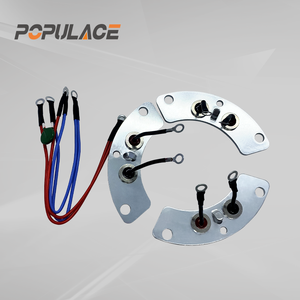
POPULACE 220V Voltage T30 Alternator Electroplating Rectifier Machine Module
POPULACE 220V Voltage T30 Alternator Electroplating Rectifier Module Bridge Rectifiers Diode T30
Industrial-grade 220V alternator bridge rectifier engineered for electroplating machinery, heavy continuous DC load cycling, and minimal thermal degradation under industrial operating environments.
Inquire Now
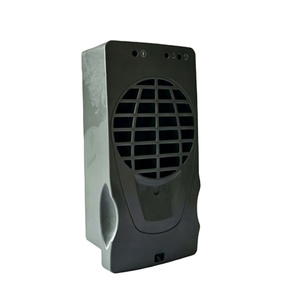
ZHIHENG R4850G G2 G6 N2 N6 48V 50A Silver Rectifier Module
ZHIHENG R4850G G2/G6/N2/N6 48V 50A Silver Rectifier Module for Telecom Base Station FTTH Hot-Swappable Compatible with ETP48-200
High-efficiency 48V 50A hot-swappable switching rectifier unit engineered for 5G/FTTH telecom base stations, featuring ultra-low stand-by loss, robust EMC filtering, and direct ETP48-200 system compatibility.
Inquire Now
20kw 30kw 40kw DC EV Charging Power Module AC DC Rectifier
20kw 30kw 40kw DC EV Charging Power Module AC/DC Rectifier 150-1000V 133A for EV DC Charger CE TUV Certificate
Wide-output range (150V–1000V) ultra-fast electric vehicle charger power conversion module. Features CE/TÜV certification, active power factor correction (PFC > 0.99), and high power density for public DC fast-charging infrastructure.
Inquire Now
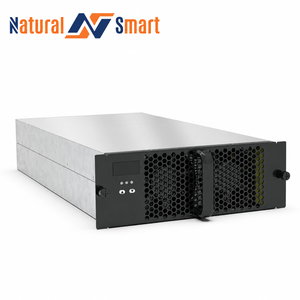
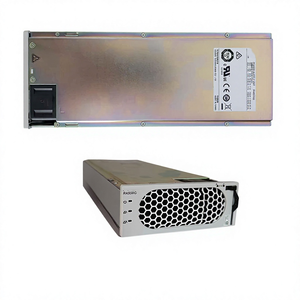
APR48 Rectifier Module 48V Constant Voltage Fast Heat Dissipation
APR48 Rectifier Module 48V Constant Voltage Fast Heat Dissipation Power Module For Long-Term Continuous Operation
Telecommunication-grade 48V constant-voltage DC power converter optimized for long-term continuous operation with accelerated heat dissipation architecture, low thermal impedance, and wear-free semiconductor protection switches.
Inquire Now
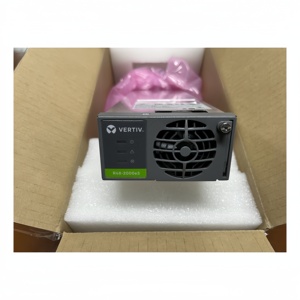
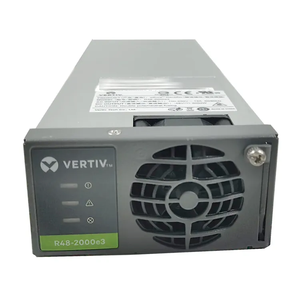
EMERSON VERTIY R48-2000e3 Rectifier Module
EMERSON VERTIY R48-2000e3 Rectifier Module New and Original 48V 2000W Telecom Power
Original OEM high-density 2000W 48V telecom rectifier module. Designed for global network nodes, data centers, and critical DC backup plants requiring peak electrical conversion efficiency and fault-tolerant hot swapping.
Inquire Now
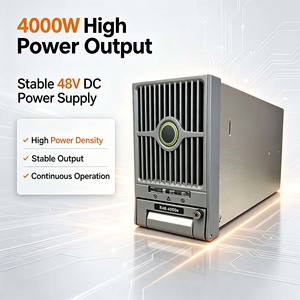
R48-4000e Rectifier Module High Power 4000W 48Volt DC Telecom
R48-4000e Rectifier Module High Power 4000W 48Volt DC Telecom Rectifier Module For Base Station Cabinet Power System
Industrial heavy-duty 4000W high-power switching rectifier. Provides ultra-stable 48V DC power output for large-scale enterprise cabinet power systems, energy storage control arrays, and transmission nodes.
Inquire Now
Vertiv R48-3000e3 Telecom Power Rectifier Module
Vertiv R48-3000e3 Telecom Power Rectifier Module High Frequency Network Power 48V 3000W
High-frequency 3000W network power conversion module for enterprise servers and industrial power cabinets. Engineered with digital control loops, intelligent thermal regulation, and high surge suppression capabilities.
Inquire Now
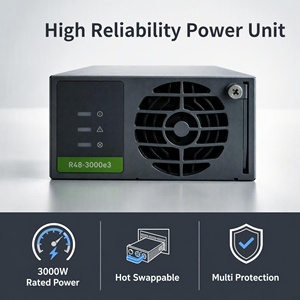
R48-3000e3 Telecom Rectifier Module 3000W 48V Output High Reliability AC DC
R48-3000e3 Telecom Rectifier Module 3000W 48V Output High Reliability AC DC Power Rectifier Module For Data Center
Ultra-reliable 3000W AC/DC industrial switching module featuring wide line-voltage input tolerance, low THD, modular N+1 redundancy support, and continuous high-temperature duty rating.
Inquire Now
15+ Years
Power R&D Experience
100%
ISO 9001:2015 & TÜV Audited
500,000+
Modules Field-Deployed
UL / CSA / CE
Global Compliance

Engineering Excellence in High-Voltage DC Switching & Power Rectification

Modern industrial automation, telecommunication networks, electric vehicle fast-charging infrastructure, and renewable energy storage systems demand an unprecedented standard of reliability from Direct Current (DC) power switching and conversion architectures. Unlike Alternating Current (AC) circuits—where the voltage waveform naturally crosses zero twice per cycle, facilitating the extinguishing of electrical arcs—DC electrical switching presents zero-crossing challenges. When a conventional mechanical relay or contactor opens under a heavy DC load, the sustained voltage difference ionizes the air gap, creating a persistent high-temperature plasma arc. This arc erodes metallic contacts, generates extreme localized thermal stress, degrades dielectric isolation, and creates electromagnetic interference (EMI) that can compromise sensitive microcontroller logic.

As a premier China DC Relay Factory and High-Power Supplier, our manufacturing philosophy merges precision German engineering methodologies with China's world-leading electronics manufacturing supply chain. By adopting advanced semiconductor solid-state technology (wearless MosFET switching circuits) and robust ceramic-sealed high-voltage DC contactor enclosures, our product catalog addresses the critical demand for zero-arcing, fast-response, and wear-free power control solutions capable of managing continuous operating voltages from 12V DC up to 1000V DC.

"Transitioning from legacy mechanical DC contactors to solid-state MosFET DC relays and high-frequency active PFC power modules reduces equipment maintenance downtime by up to 85% while extending overall systemic mean time between failures (MTBF) beyond 100,000 operational hours."

Technological Evolution: Wearless MosFET DC Relays vs. Mechanical Contactors

The transition from traditional mechanical relays to semiconductor-based solid-state relays (SSRs) and active MosFET DC switching modules represents a monumental shift in power distribution design. Industrial buyers and systems integrators must carefully evaluate the physics of switching, heat dissipation requirements, and life-cycle economics when specifying switching components for critical automation lines.

1. Solid-State MosFET Wearless Switching Mechanics

Solid-state DC relays (such as our wearless electronic DC MosFET series) switch state via power MosFET or IGBT silicon channels driven by galvanically isolated optocouplers or transformer gate drivers. Because there are no physical moving contacts, solid-state DC relays eliminate contact bounce, acoustic noise, mechanical wear, and spark generation entirely. This makes them indispensable in explosive environments (ATEX compliant zones), high-vibration railway applications, and high-frequency PWM (Pulse Width Modulation) power control circuits.

2. Hermetically Sealed Ceramic Arc Quenching

For ultra-high power switching applications exceeding hundreds of amperes at 450V to 1000V DC (such as EV DC fast chargers and battery energy storage systems), high-voltage DC contactors utilize hermetically sealed ceramic chambers filled with high-thermal-conductivity gas mixtures (such as hydrogen or nitrogen). This environment quenches high-voltage DC arcs within milliseconds, preventing contact oxidation and ensuring safe interruption under severe short-circuit fault conditions.

3. Active Power Rectification & Thermal Management Integration

In high-capacity power supplies, rectifiers, and charging modules—such as the 20kW/30kW/40kW EV charging power modules and telecom 48V rectifier series featured above—switching efficiency is intimately tied to thermal management. Utilizing wide-bandgap semiconductors (Silicon Carbide / SiC) combined with forced air or liquid cooling plates enables continuous power conversion efficiencies exceeding 96.5%, drastically reducing thermal losses in control cabinets.

Enterprise Strengths

Why Engineering Teams Choose Our China Manufacturing Facility

ISO 9001 & TÜV Audited Quality

100% automated SMT line assembly, AOI optical inspection, and full-load burn-in testing under elevated thermal conditions ensure zero-defect delivery for global OEMs.

High Power Density & Low RDS(on)

Our MosFET DC switching arrays utilize sub-milliohn on-state resistance (RDS(on)) semiconductors, reducing voltage drop and minimizing internal cabinet heat buildup.

Custom Engineering & Tailored Set-Points

Direct in-house engineering support for customized coil voltages, connector pinouts, conformal PCB coatings, and custom-programmed firmware set-points.

Global Compliance & Traceability

Fully compliant with UL, CSA, CE, RoHS, and REACH directives. Every manufacturing batch carries full component batch traceability for aerospace and defense standards.

Comprehensive Technology Selection Matrix

Selecting the optimal DC control device requires balancing electrical isolation, switching speed, continuous current handling, operational longevity, and capital outlay. The benchmark matrix below summarizes key engineering characteristics across standard switching technology classes:

Technology Category Switching Time Arc Risk Electrical Life (Cycles) Continuous Current Primary Industrial Application
Mechanical DC Contactor 15 ms – 50 ms High (Requires Arc Chutes) 100,000 – 500,000 50A – 1000A+ Battery Main Disconnect Units (BDU), Heavy Traction
Solid-State MosFET DC Relay < 50 µs (Microseconds) Zero Arc (Semiconductor) > 100,000,000 (Wearless) 5A – 200A High-Frequency PLC I/O, Test Automation, Robotics
Silicon Carbide (SiC) Hybrid Relay < 10 µs Zero Arc > 50,000,000 100A – 600A 800V EV Fast Chargers, Solar Micro-Grid Inverters
Hot-Swappable Telecom Rectifier Instant (N+1 Redundant) Internal Protection Continuous Duty (MTBF > 300k hrs) 30A – 100A per module 5G Base Stations, Data Center 48V DC Busbar Systems

Future Procurement Trends in Industrial DC Power & Switching

As global industries accelerate electrification, transition toward renewable micro-grids, and deploy high-density data processing centers, purchasing directors and chief engineering officers must align component sourcing strategies with incoming technological shifts. Over the next decade, four decisive megatrends will re-shape the market for DC relays, contactors, and high-frequency power rectifiers:

1. Shift toward 800V to 1000V DC Voltages in EV Infrastructure & Storage

Legacy 400V DC systems are rapidly giving way to 800V and 1000V architectures in electric vehicle battery systems and commercial battery energy storage systems (BESS). Higher operating voltages reduce current levels for equivalent power transmission, allowing thinner, lighter cabling and significantly reducing resistive I²R heat losses. Consequently, procurement teams are rapidly phasing out lower-rated DC switching components in favor of 1000V-rated ceramic contactors and high-voltage SiC power modules equipped with dielectric insulation ratings exceeding 4000V AC rms.

2. Integration of Smart Telemetry & Predictive Condition Monitoring

Modern industry 4.0 factories require components that actively report operational health. Next-generation DC relays and smart rectifier modules are incorporating integrated shunt sensors, temperature probes, and micro-controllers capable of communicating via CAN bus, Modbus, or IO-Link protocols. System controllers can monitor real-time contact temperature, cumulative switching cycles, and leakage current to predict component failure weeks before a critical system shutdown occurs.

3. Adoption of Wearless Solid-State Architectures over Mechanical Contactors

With downtime costing high-volume manufacturing facilities thousands of dollars per minute, the infinite mechanical life of wearless MosFET relays makes them increasingly cost-effective despite higher initial purchase costs. Total Cost of Ownership (TCO) calculations consistently favor solid-state components in automated assembly lines, semiconductor fabrication tools, and high-duty-cycle packaging machinery.

4. Demand for Modular N+1 Hot-Swappable Rectifier Ecosystems

Telecommunication infrastructure and hyperscale cloud data centers are demanding ultra-reliable 48V DC power distribution systems. Modular rectifier units—such as the Vertiv, Emerson, and Zhiheng modules highlighted in our directory—allow maintenance crews to hot-swap damaged modules without interrupting live server loads. Future procurement will prioritize supplier platforms that maintain strict mechanical backwards-compatibility across multiple product generations.

Technical Knowledge Base

Frequently Asked B2B Procurement Questions

Clear, definitive answers from our senior application engineers regarding product specifications, OEM customization, thermal design, and international shipping protocols.

Q1: Why should I purchase DC relays and power modules directly from a China factory?

Sourcing directly from an established China DC Relay factory and power module supplier offers unmatched manufacturing scalability, rapid custom prototyping, and substantial cost advantages. China’s comprehensive electronics ecosystem allows access to high-grade raw materials, advanced SMT automation, and localized semiconductor supply chains. When combined with strict ISO 9001:2015 quality control, international buyers receive tier-1 equipment that meets global standards (UL, CE, TÜV) at competitive direct-factory price points.

Q2: How do solid-state DC MosFET relays handle inductive load kickback?

Inductive loads (such as DC solenoids, electromagnetic brakes, and motor windings) generate high reverse electromotive force (EMF) voltage spikes when turned off. Our solid-state MosFET DC relays incorporate internal transient voltage suppression (TVS) diodes, RC snubber networks, or integrated flyback protection circuits that safely clamp peak voltage spikes below the semiconductor's maximum breakdown voltage rating (Vdss), preventing silicon punch-through.

Q3: What thermal management is required for high-current solid-state DC relays?

Because MosFET semiconductor channels possess an internal on-state resistance (RDS(on)), current flowing through the device generates thermal dissipation according to P = I² × RDS(on). For load currents exceeding 10A, solid-state relays must be mounted onto thermally conductive aluminum heat sinks using high-performance thermal interface material (TIM). Forced-air cooling or liquid-cooled cold plates are recommended for ultra-high-density power cabinets operating above 50°C ambient temperatures.

Q4: Are your telecom rectifier modules (48V 50A / 3000W / 4000W) hot-swappable?

Yes. All featured telecommunications-grade 48V rectifier modules (including models compatible with ETP48-200, Emerson, and Vertiv systems) feature blind-mate connector interfaces with staggered pin lengths. Ground and pre-charge pins engage first upon insertion, ensuring safe hot-swappable maintenance without interrupting the live DC bus or generating electrical arcing at the backplane connector.

Q5: Can your factory provide customized output voltages or tailored PCB coatings?

Absolutely. We specialize in OEM and ODM modifications. We offer custom coil driving voltages (5V, 12V, 24V, 48V, 110V DC), custom DC output voltage set-points, and specialized PCB conformal coatings (acrylic, silicone, or polyurethane) to protect circuitry against high humidity, salt spray, airborne pollutants, and aggressive industrial chemicals.

Q6: What certifications do your DC power products carry for North American and European imports?

Our standard industrial product lines are certified to UL 508, CSA C22.2, and carry the CE mark under the Low Voltage Directive (LVD 2014/35/EU) and Electromagnetic Compatibility Directive (EMC 2014/30/EU). In addition, all materials strictly comply with European RoHS 3 (Directive 2015/863) and REACH SVHC environmental standards. Complete test reports and declarations of conformity are provided upon inquiry.

Q7: How does an AC inrush current limiter protect DC power modules at startup?

High-power AC/DC switching rectifiers contain large input electrolytic capacitor banks. When power is first applied, these uncharged capacitors draw a massive, brief inrush current that can weld main switch contacts or nuisance-trip upstream circuit breakers. An AC inrush current limiter (ESB series) places a controlled damping resistor in series with the input during initial power-up, bypassing it via a secondary relay only after the DC bus voltage stabilizes.

Q8: What is the lead time for sample evaluation and volume production orders?

Standard catalog sample units and evaluation kits are typically dispatched within 3 to 5 business days via express air courier. Standard volume production orders (100 to 5,000 units) carry a manufacturing lead time of 2 to 3 weeks. Fast-track production options are available for urgent project schedules upon consultation with our sales engineering office.

Partner with China's Premier DC Power Engineering Supplier

Need custom DC relay specifications, detailed CAD step files, electrical schematic reviews, or wholesale factory pricing? Speak directly with our application engineering team today.

Inquire Now