Direct factory-grade lithium solutions engineered for global compliance (UL, CE, UN38.3, ISO9001). Browse standard modules or request custom engineering for high-voltage, fast-charging applications.
In an era of rapid electrification, selecting top-tier battery pack factories requires a technical audit beyond nominal voltage and capacity claims. Procurement managers and OEM design engineers must evaluate manufacturing methodologies, thermal runaway mitigation, Smart BMS firmware stability, and internal resistance matching.
Choosing the optimal electrochemical system dictates operational lifespan and volumetric energy density. While Lithium Iron Phosphate (LiFePO4) provides unmatched thermal stability (>270°C decomposition threshold) and 3500–5000 cycle lives for golf carts and storage, high-nickel NCM/NCA chemistries remain dominant in lightweight portable power banks and agricultural drone applications demanding up to 260 Wh/kg specific energy.
A robust battery pack is only as reliable as its protection topology. Premium battery suppliers integrate custom hardware-and-software BMS platforms featuring passive/active cell balancing, real-time State-of-Charge (SOC) monitoring, dynamic C-rate regulation, and multi-tier protection against over-voltage, short circuits, and sub-zero temperature charging risks.
Vibration testing under UN38.3 standards requires mechanical isolation of cylindrical (18650, 21700) and prismatic cells. Leading factories utilize flame-retardant polycarbonate/ABS enclosures, structural aluminum heatsinks, busbar laser welding, and phase-change materials (PCM) to prevent thermal cascading during sustained high-discharge operations.
Following strict ISO 9001:2015 production governance, our partner fabrication sites bridge advanced power electronics engineering with high-volume battery pack manufacturing. Every battery assembly—from lightweight consumer fast-chargers to 96V industrial EV packs—undergoes rigorous automated validation.
Compare core battery pack architectures across key electrical and mechanical parameters to optimize your OEM supply chain selection.
| Battery Pack Class | Primary Chemistry | Voltage & Capacity Ranges | Target Application | Key Engineering Advantage |
|---|---|---|---|---|
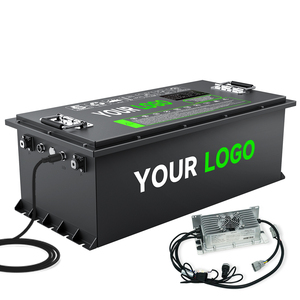
| Industrial EV / Golf Cart | LiFePO4 (LFP) | 36V – 96V | 100Ah – 300Ah | Golf carts, AGVs, Utility EVs | 3500+ cycles, IP67 waterproof housing, CANbus telemetry |
| Agricultural Drone Battery | NCM High-Rate (Samsung 21700) | 22.2V (6S) | 10000mAh – 15000mAh | Heavy-lift UAVs, Crop Sprayers | 25C+ continuous discharge rate, light weight structural packing |
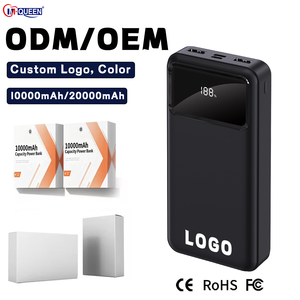
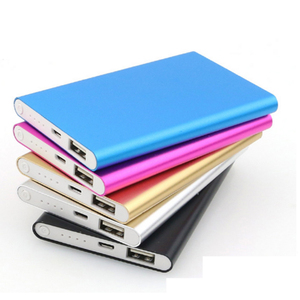
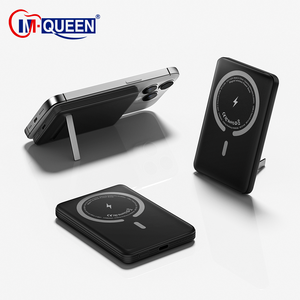
| MagSafe / Fast-Charge Power Bank | Li-Polymer / High-Density NCM | 3.7V/5V/9V/12V | 5000mAh – 10000mAh | Smartphones, Smartwatches | PD3.0/QC4.0 protocol support, magnetic alignment, low heat |
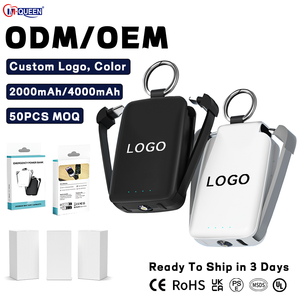
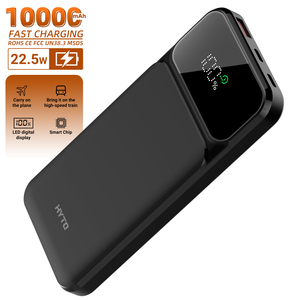
| Multi-Cable Portable Station | Lithium Polymer / 18650 | 5V – 22.5W Fast Charge | 10000mAh – 20000mAh | Mobile Workforce, Outdoor Power | Built-in Type-C/Lightning cables, high volumetric energy |
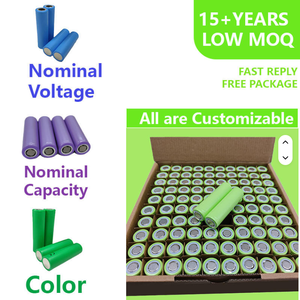
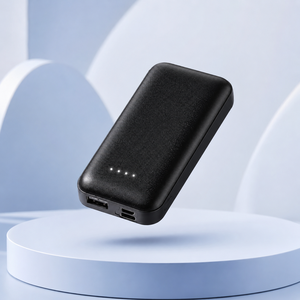
| Modular Replaceable Pack | Replaceable 18650 Cells | 3.7V nominal | 5000mAh backup | Field Equipment, Emergency Kits | Zero-downtime cell swapping, sustainable long-term maintenance |
The global battery supply chain is undergoing structural shifts driven by regulatory policies, sustainability mandates, and next-generation solid-state innovations. Global buyers must align with factories incorporating the following key developments.
Traditional module housing is being phased out in favor of CTP architecture. By eliminating intermediate module frames, battery pack factories increase volumetric efficiency by 15–20% while reducing total weight and mechanical failure points in high-capacity golf cart and industrial storage packs.
New European and North American regulations mandate digital battery passports tracing raw material extraction (lithium, cobalt, nickel) and manufacturing carbon footprint. Leading OEM factories are implementing blockchain-backed ERP traceability to ensure zero-friction clearance at international customs.
Consumer power banks are rapidly transitioning toward silicon-carbon synthetic anodes, yielding up to 20% higher energy density than traditional graphite. Coupled with Gallium Nitride (GaN) fast-charging circuits, modern power stations deliver 22.5W to 100W outputs while maintaining sleek, pocketable form factors.

From initial CAD housing modeling to custom PCB BMS programming, our direct manufacturer partnership model streamlines product development cycles from months to weeks.
Get expert insights on technical specifications, custom manufacturing timelines, safety compliance, and shipping logisitics.
Connect with our senior power electronics engineers to request custom technical datasheets, CAD drawings, and wholesale factory pricing catalog.
